
SEARCH MARQUETTE
Residence LifeResidence HallsCurrent ResidentsUniversity ApartmentsTenant InformationLiving Learning CommunitiesStaff
Community development initiatives strive to foster reflective, meaningful and authentic dialogue among community members in the residence halls in order to form men and women for and with others through transformational and inclusive learning.
From intentional conversations to hall wide events, our staff offers residents numerous opportunitites for connection, entertainment, learning and reflection.
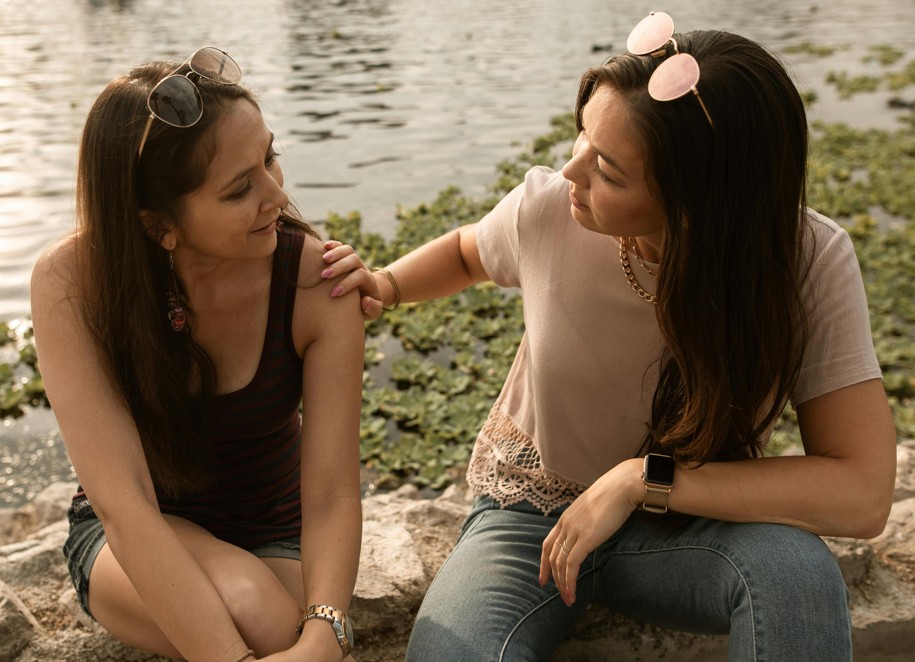
"It is still so nice to have that dedicated personal time to get to know what residents like and what they may be struggling with." — RA

A chance to build community and share information, with half of residents reporting they attended an event they heard about it at a floor meeting.
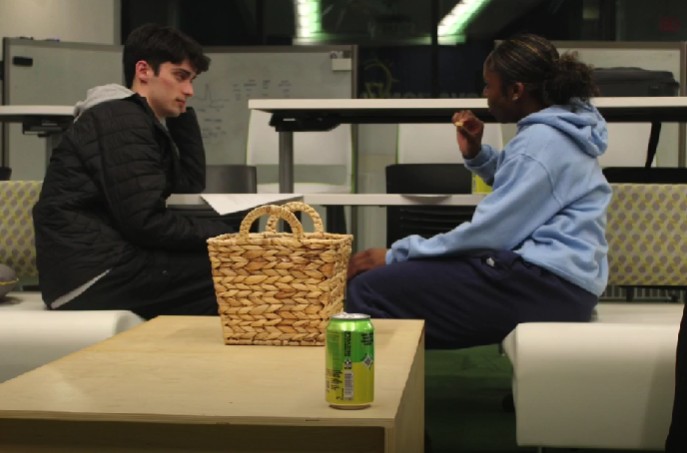
Last year, 1,272 agreements were completed (84.5% completion rate) and 70% of those residents believed it helped communication with their roommates.
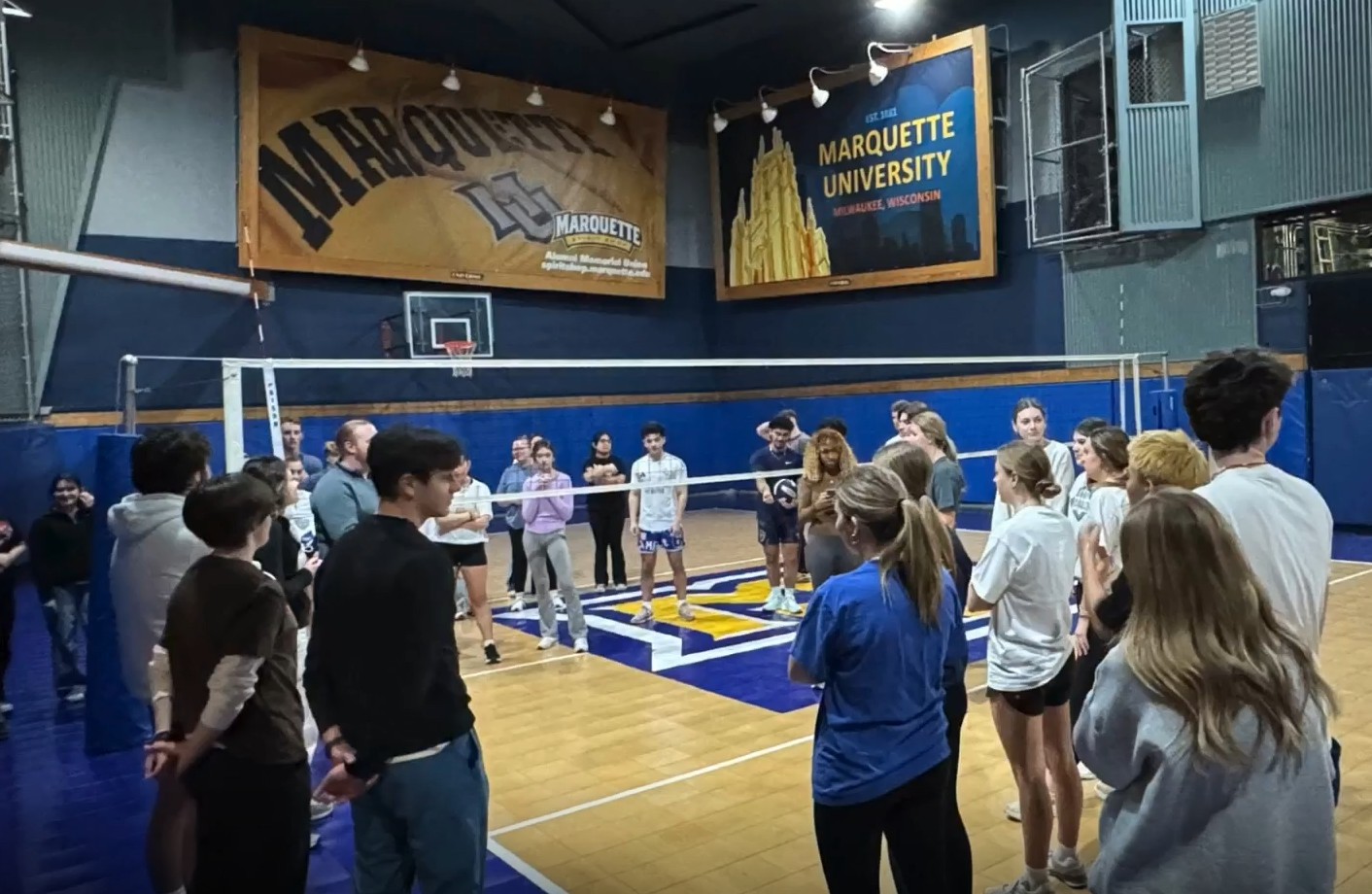
Floors or groups of floors gathered for over 350 community nights last year. These social events were hosted in the halls and around campus.
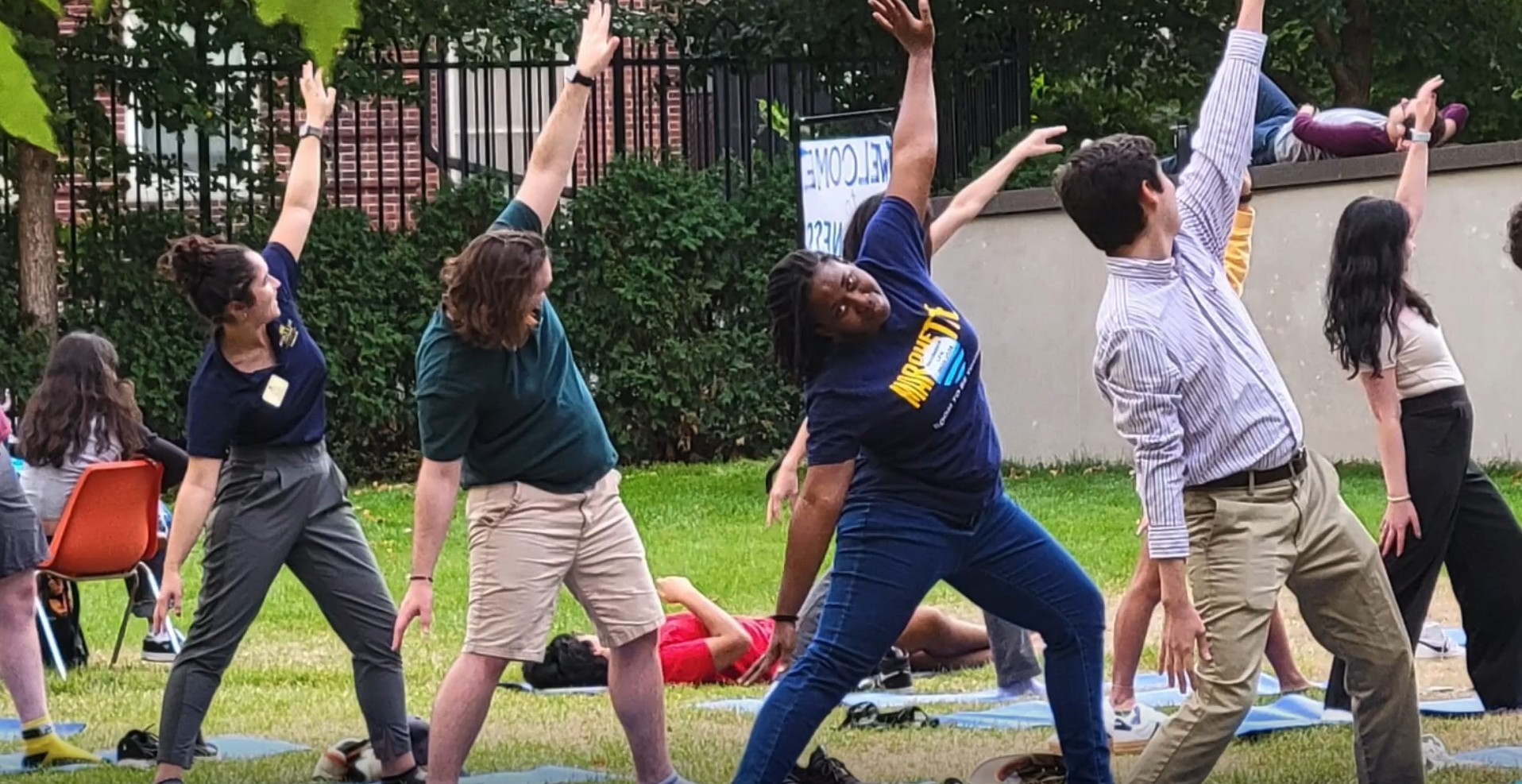
In addition to floor community nights, halls hosted over 100 programs open to the whole hall.
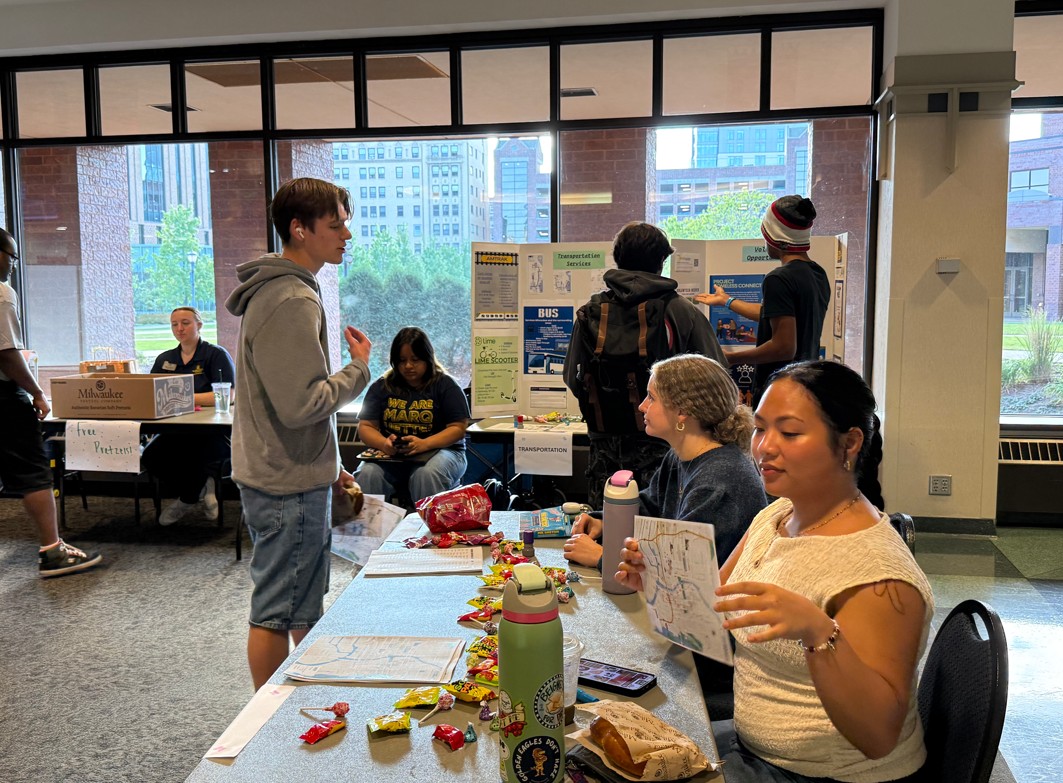
We kickoff fall with 6 weeks of events. 10 speed friending events all in the first week, and 5 additional campus-wide programs over the next 5 week.
"Coming in, I felt I would never belong. Now I do"
"My time at Marquette so far has made me more comfortable with who I am and how I fit into this community."
"I have learned how to co-exist with people who differ from me in a variety of ways."
"I have grown because I need to be independent and solve my own problems."
"[My RA] has been an amazing RA. He’s been a great support system academically, mentally, and socially. You can tell he cares about his residents and makes an effort to create a community within our floor."
"I love my new roommate!! I switched roommates, and it was the best thing I could've done. I was able to stay in the room while my roommate moved out, and [our RA] helped us solve the problem VERY quickly!"
All stats and quotes are take from a November 2025 survey of 1185 current residents.
The Office of Residence Life strives to support the mission of Marquette University to educate the whole person and put student formation and learning at the heart of the work in Residence Life. Students who live in the residence halls have a unique opportunity to interact and build relationships with others that will ultimately promote learning if students are challenged to engage in dialogue and reflect on experiences with others. Our Residential Curriculum is grounded primarily in Ignatian Pedagogy which “relates student learning and growth to personal interaction and human relationships” (Thon, 2013, pp. 37).
The residential curriculm is guided by our educational priority. The Educational Priority is focused on student learning and is the overarching outcome of our residential educational efforts based on the mission and values of being a Catholic, Jesuit University located in the heart of Milwaukee, WI.
Marquette University’s residential experience fosters holistic development where students belong and thrive. Through living on campus, students are invited to become leaders who strive to care for the whole person (Cura Personalis), develop stronger interdependent communities (for and with others), and contribute to a more just society in Milwaukee and beyond (contemplatives in action).
To implement the Educational Priority, we break it down into learning goals and objectives. Learning goals a broad descriptions of what a student at Marquette University will learn from their residential experience. Learning outcomes are sequential and measurable outcomes for how students need to accomplish the learning goal. Our three learning goals are: Cura Personalis, For and With Others, and Contemplatives in Action.
Learning Goal: Students will develop skills necessary for caring for and supporting the holistic well-being of themselves independently and in connection with their communities.
The Jesuit tenet of “Cura Personalis,” or “care for the whole person,” focuses on recognizing the necessity of people to develop themselves fully in all dimensions, spiritually, emotionally, socially, etc. Residents are expected to be able to care for not only themselves, but to also recognize their impact on others and the interconnectedness of their own actions, well-being, and that of others.
Learning Objectives:
Learning Goal: Students will foster healthy relationships focused on every member’s inherent dignity and mutual exchange of support and ideas in service of the greater good.
As people called to live our Jesuit value “people for and with others,” Marquette students stand with the marginalized within their communities. Students will act with respect for the worthiness of each person and approach their community membership with a posture of service. In doing so, students will strive for humility across differences and seek the flourishing of the whole community.
Learning Objectives:
Learning Goal: Students will demonstrate an understanding of issues impacting their communities and discern their role in promoting a more just world.
Students who become “Contemplatives in Action” engage in the Jesuit practice of reflection and discernment in the context of their value formation and responsibility to society. Marquette students will develop a deeper awareness regarding the social issues impacting individuals in their communities, at Marquette, in Milwaukee, and beyond. Students will gain a better understanding of the underlying causes of these issues and explore ways to actively address them.
Learning Objectives:
The Residential Curriculum contains several different educational strategies employed in the residence halls to meet the above learning objectives. Below are our most prevalent strategies:
Thon S.J., Andrew J (2013). The Ignatian Imperative: Student Affairs Educations in Jesuit Higher Education. Milwaukee, WI: JASPA, AJCU, Marquette University College of Education